
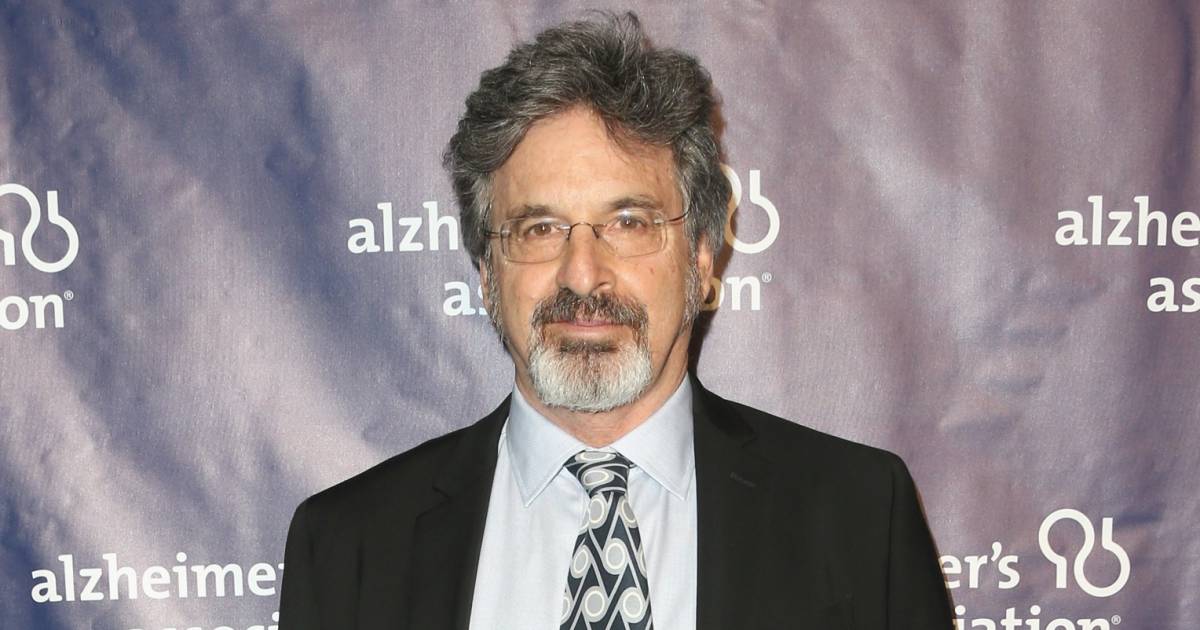

Lizzie McGuire star Robert Carradine died at age 71 after a decades-long battle with Bipolar Disorder.
Carradine’s family confirmed his death in a Monday, February 23, statement, telling Deadline, “It is with profound sadness that we must share that our beloved father, grandfather, uncle, and brother Robert Carradine has passed away.”
The statement continued: “In a world that can feel so dark, Bobby was always a beacon of light to everyone around him. We are bereft at the loss of this beautiful soul and want to acknowledge Bobby’s valiant struggle against his nearly two-decade battle with bipolar disorder. We hope his journey can shine a light and encourage addressing the stigma that attaches to mental illness.”
Days later, the Los Angeles Deputy Medical Examiner ruled Carradine’s official manner of death as suicide, according to documents obtained by Us Weekly.
The medical examiner also noted that the cause was “sequelae of anoxic brain injury,” which stems from the brain not getting enough oxygen.
Scroll down to learn more about an anoxic brain injury and its causes:
What Is an Anoxic Brain Injury?
Both anoxic and hypoxic brain injury are a “type of acquired brain injury that occurs when cells in the brain do not receive enough oxygen,” according to Brain Injury Association of America, which says the injuries are “very similar but have slightly different causes.”
What Is the Difference Between Anoxic and Hypoxic Brain Injuries?
An anoxic brain injury occurs when the brain “receives no oxygen at all,” according to Shepherd Center, which notes that without oxygen, “brain cells begin to die after approximately four minutes,” which can lead to significant damage or death.
A hypoxic brain injury, meanwhile, occurs when there is a “restricted flow of oxygen to the brain, causing the gradual death and impairment of brain cells,” per the Shepherd Center.
What Can Cause an Anoxic Brain Injury?
Common causes of a hypoxic or anoxic brain injury include near-drowning, electrical shock, heart attack, choking, carbon monoxide poisoning, suffocation, smoke inhalation, strangulation or an overdose.
According to Shepherd Center, there are different types of anoxic brain injuries that are based on the cause. Hypoxic-ischemic injury or “stagnant anoxia” happens when “oxygen-carrying blood cannot reach the brain, often due to conditions like cardiac arrest or arrhythmia,” per the center.
Anemic anoxia occurs when the blood cannot “carry enough oxygen” or there is “insufficient blood in the body to meet the brain’s needs,” often due to severe anemia or blood loss.
Toxic anoxia is caused by “exposure to chemicals or toxins that prevent the brain from receiving oxygen from blood cells,” such as carbon monoxide poisoning.
Shepherd Center noted that anoxic anoxia is the result of “lack of oxygen in the air,” caused by suffocation or being in high-altitude areas without the proper amount of oxygen.
What Are Symptoms of an Anoxic Brain Injury?
Short-term symptoms of hypoxic and anoxic injuries can vary, with Brain Injury Association of America outlining the most common ones as: trouble concentrating, poor coordination, dizziness, headaches, confusion, loss of consciousness, light-headedness and blue-looking skin.
The long-term symptoms can include tremors, memory problems, speech impairments, fatigue, low blood pressure, increased irritability, cortical blindness and disturbances to motor function.
Are There Treatments for an Anoxic Brain Injury?
An anoxic brain injury is an “emergency condition” that needs to be treated as soon as possible, according to Prisma Health Children’s Hospital. The goal is to restore oxygen to the brain before too much damage is done.
The hospital notes that “basic life-support systems” that might be put into place include mechanical ventilation, fluids, blood products, medications to support blood pressure and heart rate and medications to “suppress seizures.”
Brain Injury Association of America pointed out that no two brain injury patients will have the same symptoms or road to recovery, so treatments vary.
“Recovery is possible for many people who sustain a hypoxic or anoxic brain injury,” according to the organization, which adds that a doctor may recommend “a rehabilitation program or certain medications” depending on the damage.
Just For You