

Microsoft is seemingly drawing inspiration from OpenAI’s strategy. Bloomberg initially noted the tech behemoth intends to utilize its partner’s specialized chip creation to reinforce its own challenged semiconductor initiatives, a decision that appears increasingly sensible considering Microsoft’s underwhelming performance relative to competitors like Google and Amazon.
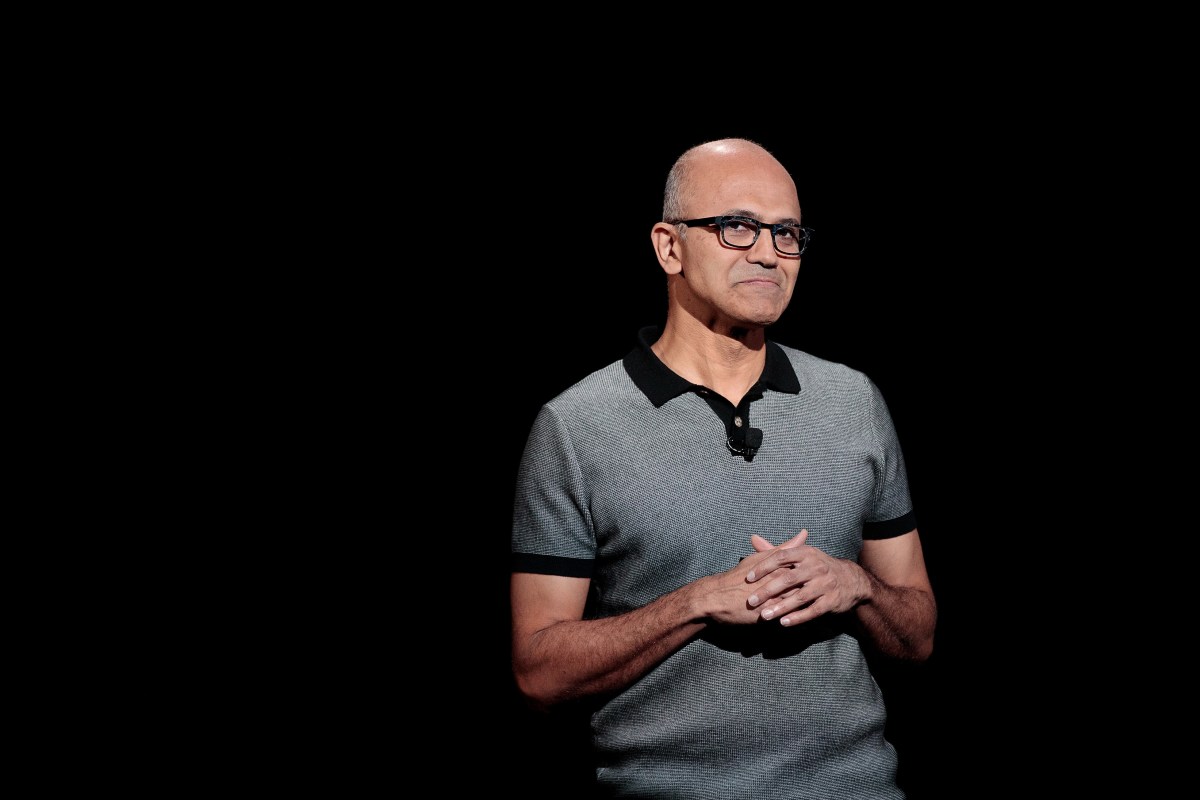
The agreement is simple: OpenAI is crafting AI chips in collaboration with Broadcom, and Microsoft gains complete access to these advancements. “As they innovate even at the system level, we get access to all of it,” CEO Satya Nadella stated in a recent interview with podcaster Dwarkesh Patel, outlining intentions to adopt OpenAI’s designs and subsequently adapt them for Microsoft’s unique needs.
Through an updated partnership agreement, Microsoft obtained intellectual property rights concerning OpenAI’s chip designs while preserving access to the company’s AI models until 2032. The sole exception? OpenAI’s consumer hardware, which the ChatGPT creator apparently intends to develop and market autonomously.
The partnership emphasizes a larger truth within the tech industry: the construction of state-of-the-art AI chips is incredibly challenging and costly. Instead of persisting in its solitary struggle, Microsoft is wagering that OpenAI’s proficiency — coupled with a strategically devised contract — can expedite its own goals.